



環境意識の高まりとエネルギーコストの高騰の時代に, 家庭でエネルギーの自立を達成することは、住宅所有者にとって大きな願望となっています。. 住宅用エネルギー貯蔵ソリューションは、再生可能エネルギーを利用し、従来の電力網への依存を軽減するための実用的かつ持続可能な方法を提供します。. このブログ記事では, we will explore the benefits and various options of residential energy storage systems, empowering homeowners to take a proactive step towards a greener and more self-sufficient future.
Understanding Residential Energy Storage
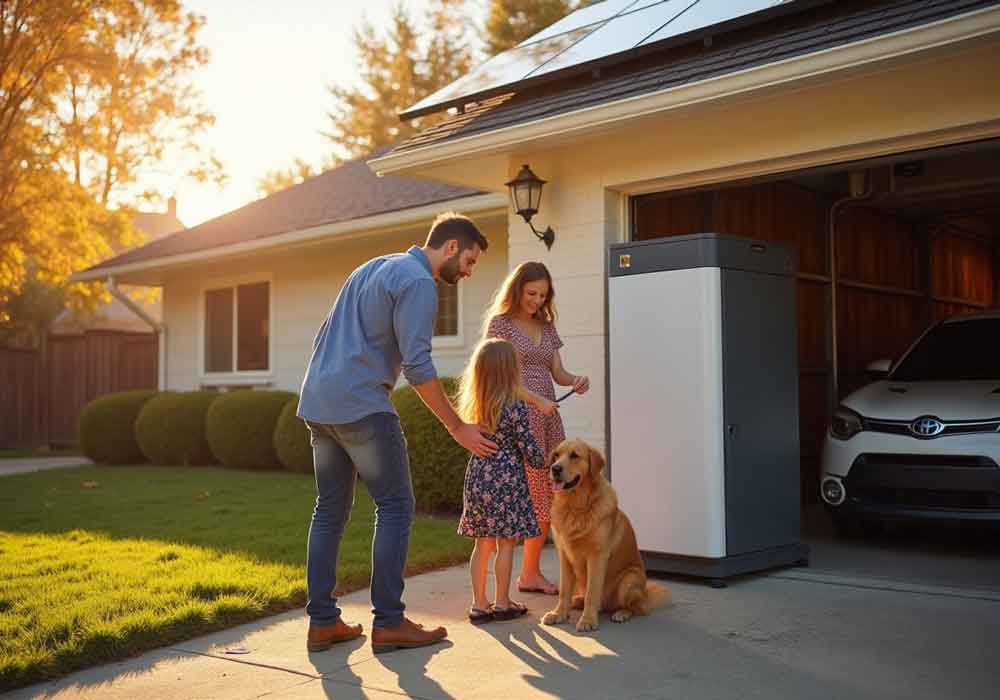
Residential energy storage involves capturing and storing excess electricity generated within a household. Typically, this excess electricity is derived from renewable energy sources like solar panels or wind turbines. Instead of letting this energy go to waste or feeding it back into the grid, energy storage solutions store it in batteries for later use.
The Advantages of Residential Energy Storage
Energy Independence
The primary benefit of residential energy storage is the achievement of energy independence. By storing surplus energy during times of plenty, homeowners can draw from their energy reserves during peak hours or when renewable sources aren’t generating power. This reduces reliance on the grid and minimizes the need to purchase electricity from utilities, resulting in potential cost savings.
Grid Resilience
During power outages or emergencies, residential energy storage systems with backup capabilities can provide an uninterrupted power supply. This enhanced grid resilience ensures that critical appliances and devices continue to function, promoting safety and comfort for households during challenging times.
Environmental Impact
Residential energy storage solutions contribute to a greener environment by promoting the use of renewable energy. By relying more on solar, wind, or other renewable sources and less on fossil fuel-based electricity, homeowners can significantly reduce their carbon footprint and contribute to the fight against climate change.
Factors to Consider Before Choosing a System
Energy Requirements
Evaluate your household’s energy consumption patterns to determine the capacity of the storage system needed. Analyzing your daily energy demands will ensure you choose a storage solution that meets your requirements.
Cost and Budget
Residential energy storage systems vary in cost, so it’s essential to set a budget and explore options that align with your financial capacity. Consider long-term savings and potential incentives or rebates that might be available in your region.
System Lifespan and Warranty
Investigate the expected lifespan of the energy storage system and the warranty offered by the manufacturer. A system with a longer lifespan and a comprehensive warranty will provide peace of mind and maximize the return on investment.
Energy independence at home is within reach for every homeowner with the right residential energy storage solution. By leveraging renewable energy sources and incorporating efficient storage systems, households can reduce their carbon footprint, cut energy costs, and increase their grid resilience. Whether you opt for lithium-ion batteries, lead-acid batteries, or innovative flow batteries, each step toward residential energy storage is a step toward a more sustainable and self-sufficient future. Embrace the power of residential energy storage and be a part of the green revolution, starting from your own home.