




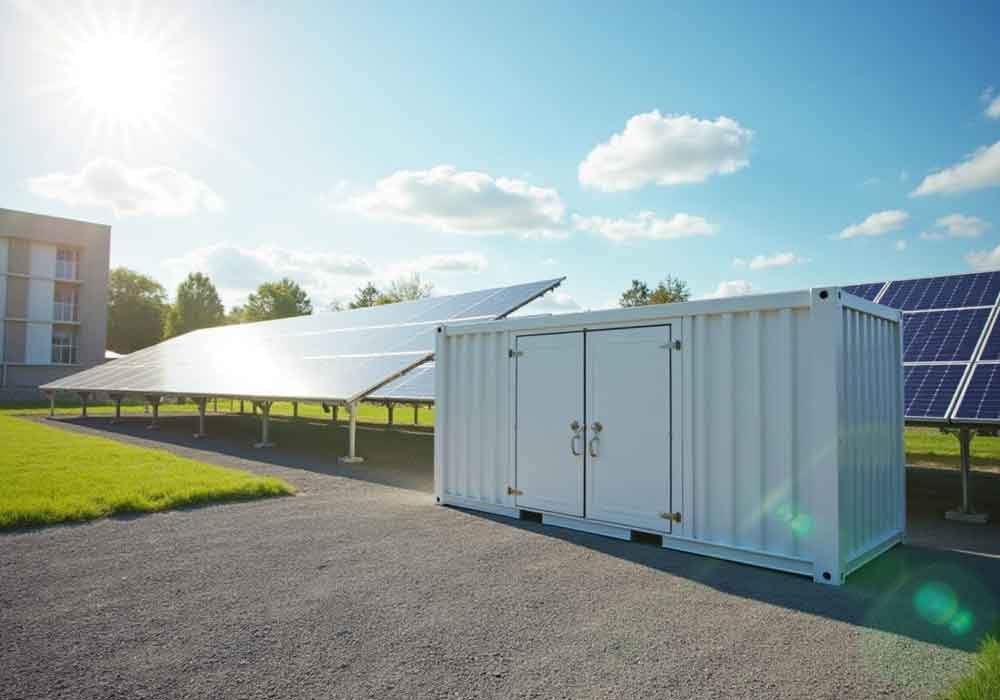
近年では, エネルギー貯蔵システムの需要が高まっている. 太陽光や風力などの再生可能エネルギー源の普及が進むにつれて, 効率的で信頼性の高いエネルギー貯蔵ソリューションの必要性が高まっています. 市場で注目を集めているオプションの 1 つは、コンテナ化されたエネルギー貯蔵システムです。. These systems are packaged in a shipping container, making them easy to transport and install. In this blog post, we will explore the factors that should be considered when selecting a containerized energy storage system.
Capacity and Scalability
The first factor to consider when choosing a containerized energy storage system is the capacity and scalability it offers. The system should be able to store an adequate amount of energy to meet your needs. さらに, it should have the ability to scale up or down depending on your future requirements. The containerized format allows for easy expansion by simply adding or removing containers. This flexibility ensures that your energy storage system can grow with your needs, providing a cost-effective solution.
Safety and Reliability
Safety and reliability are paramount when it comes to any energy storage systems. Containerized systems must meet stringent safety standards to ensure the protection of both personnel and equipment. When selecting a containerized energy storage system, look for certifications and compliance with industry-specific safety regulations. さらに, consider the reliability of the system, including the quality of components used and any warranties provided. It is important to choose a system that offers high uptime and minimal maintenance requirements.
Integration and Interoperability
Another important factor to consider is the integration and interoperability of the containerized energy storage system. The system should be compatible with existing energy infrastructure, such as solar panels or wind turbines. It should also seamlessly integrate with the grid to optimize energy usage and maximize benefits. Moreover, consider the system’s communication capabilities. A containerized energy storage system that can communicate with other devices and software platforms allows for better monitoring, コントロール, and optimization of energy flows.
Cost and Return on Investment
Cost is a significant consideration when evaluating any energy storage solutions. Containerized energy storage systems offer some cost advantages compared to traditional systems due to their modular nature and ease of installation. しかし, it is essential to consider the total cost of ownership, including upfront costs, ongoing maintenance expenses, and potential energy savings over the system’s lifespan. Calculate the return on investment (ROI) to determine the system’s long-term financial viability. A well-designed containerized energy storage system can provide significant energy cost savings and generate revenue through participation in energy markets.
結論は, selecting the right containerized energy storage system requires careful consideration of several factors. Capacity and scalability ensure the system meets your energy requirements both now and in the future. Safety and reliability are crucial for protecting personnel and ensuring uninterrupted energy supply. Integration and interoperability enable seamless operation and optimization. Finally, calculating the cost and return on investment is essential to determine the system’s financial viability. With the growing demand for energy storage solutions, containerized energy storage systems offer a versatile and efficient option for businesses and homes alike.